

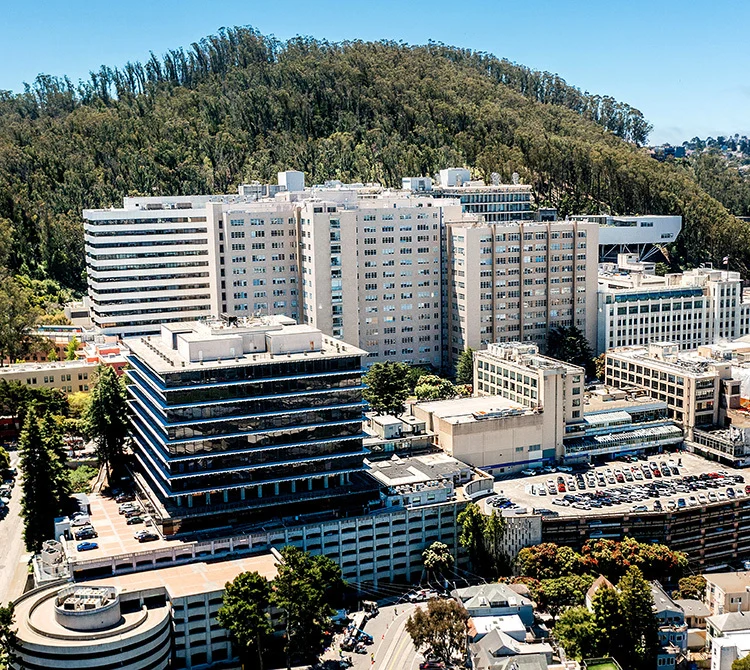
Epilepsy & Seizures Program
On this page
Why choose UCSF Health for epilepsy treatment?
For people living with epilepsy, the UCSF Epilepsy Center offers help and hope. Our center has a level 4 designation — the highest given by the National Association of Epilepsy Centers. We use the latest technology to diagnose epilepsy and related conditions, including the most advanced EEG recording and neuroimaging techniques.
We offer people with epilepsy a personalized approach to treatment with a strong focus on quality of life. For those whose seizures can’t be controlled with medication alone, we use innovative brain monitoring techniques, including intracranial EEG recording (to help determine candidacy for epilepsy surgery), and the newest neurostimulation options.
Advanced epilepsy treatments
UCSF Health scientists and epilepsy specialists are at the forefront of developing new epilepsy treatments. We've pioneered techniques for minimally invasive surgery for epilepsy and helped develop neurostimulation devices. These devices use electrical signals to alter or interrupt brain signals that cause seizures. Through our clinical trials, our patients have access to treatments that aren't yet widely available.
We're among the top epilepsy surgery centers in the nation, with expertise in leading-edge procedures. We provide life-changing care to people living with epilepsy.
Why choose UCSF Health for epilepsy treatment?
For people living with epilepsy, the UCSF Epilepsy Center offers help and hope. Our center has a level 4 designation — the highest given by the National Association of Epilepsy Centers. We use the latest technology to diagnose epilepsy and related conditions, including the most advanced EEG recording and neuroimaging techniques.
We offer people with epilepsy a personalized approach to treatment with a strong focus on quality of life. For those whose seizures can’t be controlled with medication alone, we use innovative brain monitoring techniques, including intracranial EEG recording (to help determine candidacy for epilepsy surgery), and the newest neurostimulation options.
Advanced epilepsy treatments
UCSF Health scientists and epilepsy specialists are at the forefront of developing new epilepsy treatments. We've pioneered techniques for minimally invasive surgery for epilepsy and helped develop neurostimulation devices. These devices use electrical signals to alter or interrupt brain signals that cause seizures. Through our clinical trials, our patients have access to treatments that aren't yet widely available.
We're among the top epilepsy surgery centers in the nation, with expertise in leading-edge procedures. We provide life-changing care to people living with epilepsy.
International experts in epilepsy diagnosis
We have one of the most advanced centers in the world for epilepsy diagnosis, using neuroimaging and EEG (brain wave recordings).Next-generation seizure mapping
We developed a system to create 3D video mapping of seizure activity in the brain, allowing us to pinpoint where seizures start.Comprehensive seizure monitoring
We have the most advanced epilepsy monitoring unit (EMU) in the Bay Area, where we provide 24-hour continuous EEG.Top rankings for neurology care
We're a "best hospital" (highest rating) and one of the top hospitals in the nation for neurology and neurosurgery, according to U.S. News & World Report.
World-class epilepsy expertise
There are many treatments for epilepsy, and we help you understand your options. We've helped thousands of people become seizure-free.
Comprehensive medication management for epilepsy
There are more than 30 medications available for seizures. Navigating these options can be challenging for most primary care doctors as well as many neurologists. Our specialists tailor medication regimens for each patient we treat. We also offer new and emerging medications through certain clinical trials.
Procedures for drug-resistant epilepsy
We perform the most advanced procedures for drug-resistant epilepsy:
- Advanced neuroimaging. Non-invasive imaging tools, including MRI, PET, fMRI, MEG and SPECT, are used in presurgical evaluation.
- Intracranial recordings. We place electrodes inside or on the surface of the brain to help pinpoint exactly where seizures start.
- Intraoperative brain mapping. This groundbreaking surgical technique enables us to pinpoint and treat seizures safely, without affecting normal brain functions like language and motor ability. At UCSF, we can map in unparalleled detail, using special high-density recording methods.
- Laser ablation. In this minimally invasive procedure, we use a tiny laser to destroy brain tissue that's causing seizures. We're one of the first centers in California to use this focused treatment.
- Surgical resection. Our surgeons remove a small section of brain tissue where seizures begin. After resection, many of our patients are seizure-free and have no side effects.
Neurostimulation devices for epilepsy
We're experts in the latest neurostimulation devices that can reduce or, in some cases, eliminate seizures. Over 70% of patients using neurostimulation see improvement. Treatment options include:
- Deep brain stimulation (DBS). This device sends electrical pulses to the brain, stopping seizures. UCSF Health participated in the original study validating DBS.
- Responsive neurostimulation (RNS). This implantable device acts as a pacemaker for the brain, detecting when a seizure is about to begin and stopping it in its tracks. We're one of the most experienced centers for RNS surgery.
- Vagus nerve stimulation (VNS). A small device implanted in the chest reduces seizures by sending electrical signals to a nerve in the neck.
Effectively treating epilepsy takes time, and we continue to follow up with you years after surgery. We're committed to your long-term health.
Providers

Vikram Rao, MD, PhD
Neurology (Epilepsy) • Neurology
Max Liu, MD, PhD
Neurology (Epilepsy) • Neurology
Manu Hegde, MD, PhD
Neurology • Neurology (Epilepsy)
Jon Kleen, MD, PhD
Neurology • Neurology (Epilepsy)
Award-winning excellence
#1
in the West for number of epilepsy surgeries performed
Among the top hospitals in the nation
Best in the West and No. 3 in the nation for neurology & neurosurgery
Level 4
Accredited level 4 epilepsy center (National Association of Epilepsy Centers)
Related conditions & treatments
Conditions
- Epilepsy
- Frontal Lobe Epilepsy
- Generalized Seizures
- Petit Mal Seizure
- Status Epilepticus
- Temporal Lobe Epilepsy
Treatments
- Deep Brain Stimulation
- Epilepsy Monitoring Unit Evaluation (EMU)
- Epilepsy Surgery
- Focal Resection Surgery Brain
- Responsive Neurostimulation
- Vagal Nerve Stimulator
- Visualase Thermal Laser Ablation
Clinical trials
A Phase 1/2 Study of NRTX-1001 Neuronal Cell Therapy in Drug-Resistant Bilateral Mesial Tempora...Opens in a new window
This is a multicenter, single arm, open label clinical trial that is designed to test the safety and preliminary efficacy of single administration inhibitory nerve cells...FIH Study of NRTX-1001 Neural Cell Therapy in Drug-Resistant Unilateral Mesial Temporal Lobe Ep...Opens in a new window
The primary endpoint of the study is the frequency of serious or severe AEs over the period of 1 year after administration, comparing all subjects treated with NRTX-1001 (Phase 1 + Phase 2) with all subjects who receive sham treat...Model-based Electrical Brain StimulationOpens in a new window
A personalized decoder is trained for each patient using the recorded neural activity and self-reports. Then this decoder is used to estimate the biomarker purely from neural activity; that is, based on neural activity, it will re...
Accreditations & memberships
Level 4 epilepsy centerOpens in a new window
We have the highest-level rating from the National Association of Epilepsy Centers. Centers with this designation provide the most advanced epilepsy treatments.
Research initiatives
UCSF Epilepsy Center ResearchOpens in a new window
The UCSF Epilepsy Center conducts research on medical imaging and both surgical and nonsurgical treatments for epilepsy. Research findings play a key role in shaping the center's patient care.
Explore what we do
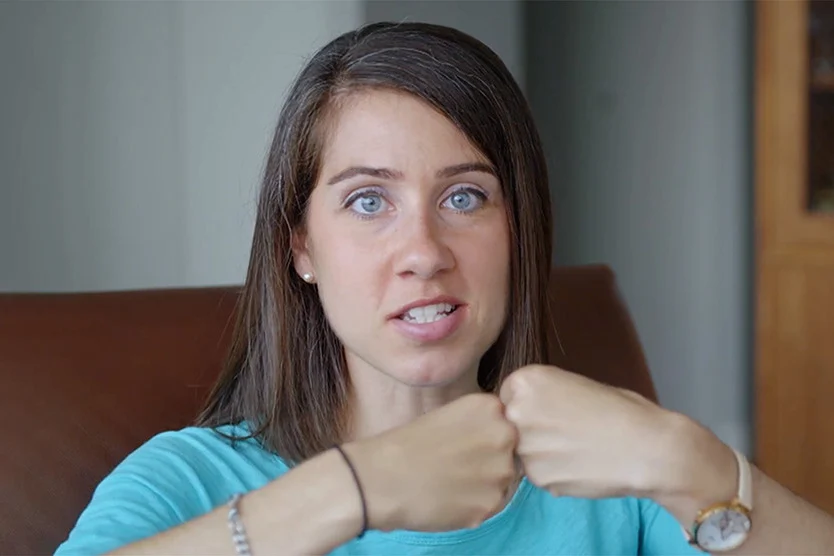
"Rebooting" the brain of a patient with epilepsy
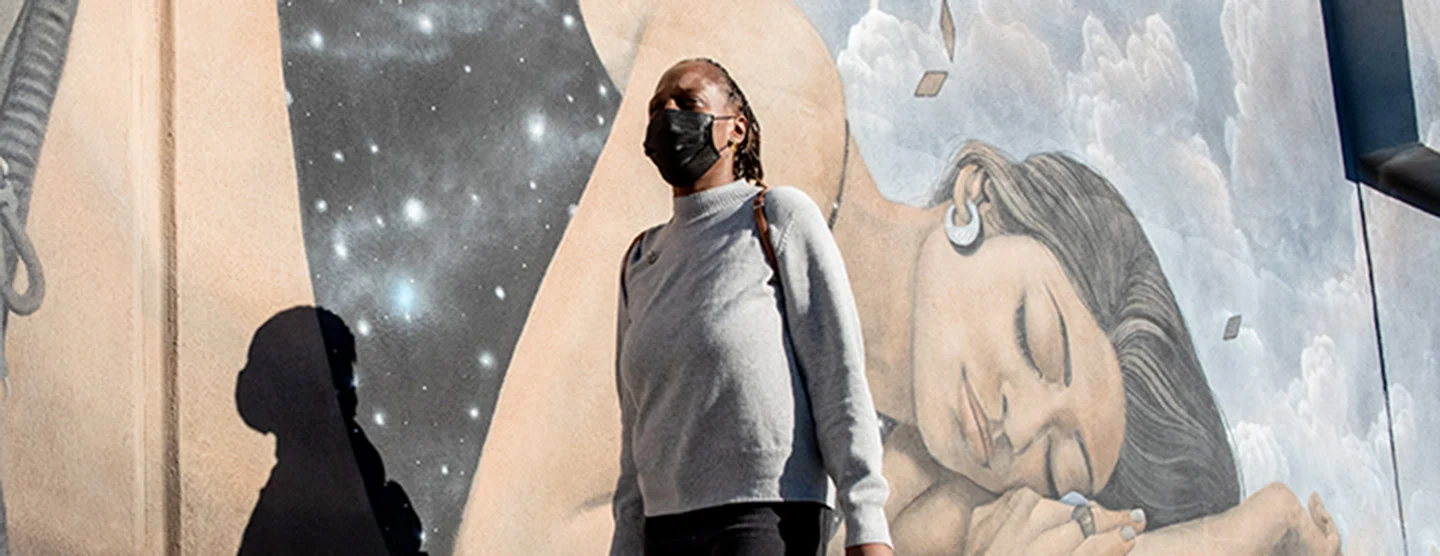
Visualizing the source of one patient’s lifelong seizures
Patient materials
Support services
Case Management and Social Work
Connect with a team that can help you find resources, solve problems and advocate for you during treatment at UCSF.
Mindfulness-Based Stress Reduction Class
This eight-week class teaches mindfulness practices that can reduce stress and improve your overall health, such as meditation and body awareness.
Neurology Support Groups
Find support for caregivers, families and patients dealing with aneurysm and AVM disorders, Parkinson's, MS and other neurological disorders.
Patient Relations
We welcome feedback about your experience at UCSF Health. Find out how to contact us with comments, questions or concerns.
Spiritual Care at UCSF
Chaplains representing many faiths are available around the clock to provide support, comfort and counsel to patients, families and caregivers.